What Kind of Driveway Crack Is This?
Upload a photo to compare it with common concrete driveway crack patterns and learn what people commonly look for next.
FreeConcrete driveways onlyNo sign-up
Add a photo of the crack
Stand over the damage in daylight and include some of the surrounding concrete.
Photos are used only to analyze the visible driveway pattern and are not intentionally stored by this site after processing.
Compare Common Driveway Crack Patterns
These are the five visible patterns the checker compares your photo against.

Hairline / Narrow
A thin line with the two sides still touching or nearly touching, and both sides level.
Read: Hairline Cracks in Concrete Driveways
Wide / Open
A visible gap between the two sides, wide enough that you can clearly see into the crack.
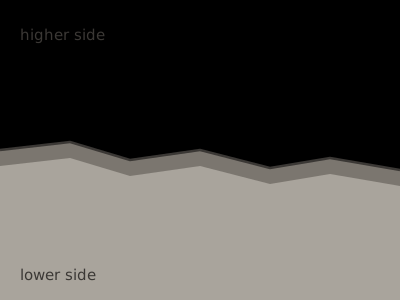
Uneven / Displaced
One side of the crack sits higher or lower than the other, creating a small step or lip.

Spiderweb / Map
Many small connected cracks forming a web, grid, or map-like pattern across an area.

Flaking / Surface Damage
The top layer is peeling, flaking, or chipping away, sometimes exposing small stones underneath.
Illustrations are simplified examples, not photos of real driveways.
What this tool does — and doesn’t do
It does
- Compare your photo with five common visible concrete crack patterns
- Explain the closest pattern in plain English
- Suggest visible things worth keeping an eye on
- Point you to good terms and articles to learn more
It doesn’t
- Determine what caused the damage or what’s happening underneath
- Judge whether anything is safe, structural, or urgent
- Estimate repair costs or recommend a specific repair
- Analyze asphalt driveways (yet)
A photo can only show the surface. If you’re worried about your driveway, it may be worth having someone look at it in person. Privacy & disclaimer
Learn more
- Hairline Cracks in Concrete Driveways
What hairline cracks in a concrete driveway usually look like, what to keep an eye on, and the options homeowners commonly research next.